_SCIENCE
Equipment provided by U.S. government fails to squeeze extra doses from Pfizer and Moderna vials
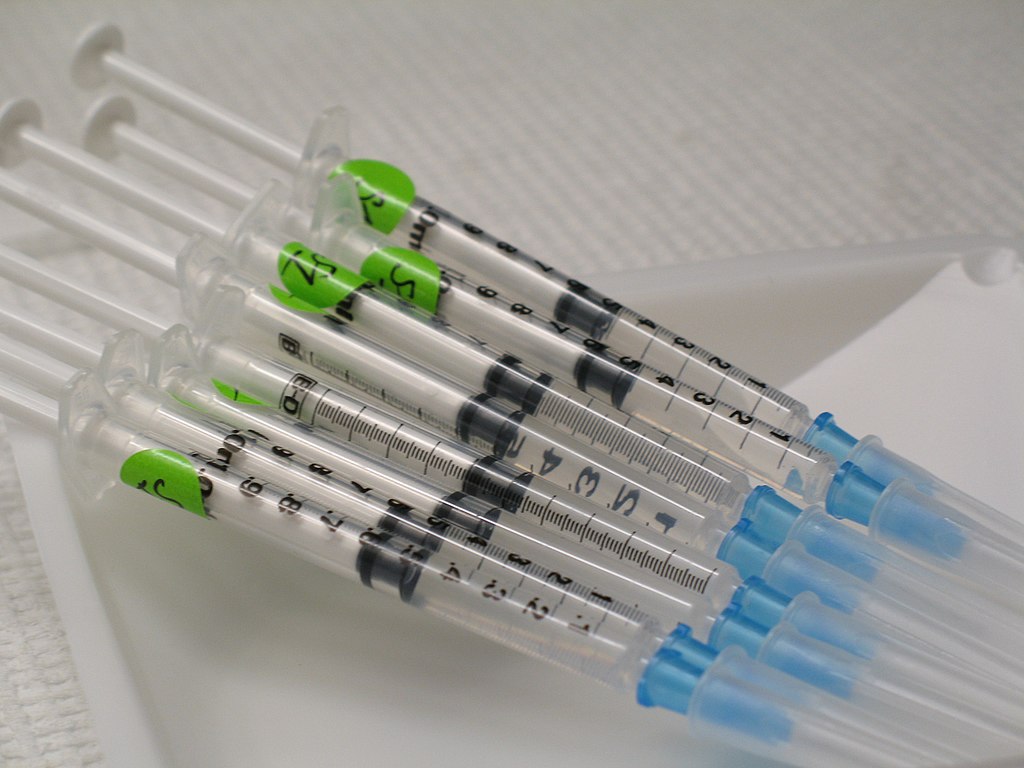
Piled up in hospital storage closets—and even in boxes donated to an animal shelter—sit syringes the U.S. government has provided to administer COVID-19 vaccines. They’ve been set aside because they’re not effective at extracting all available shots from the multidose vials supplied by vaccinemakers.
It became clear in December 2020 that Pfizer’s and Moderna’s vaccine vials included more than the number of doses displayed on their labels. The U.S. Food and Drug Administration (FDA) soon authorized shot-givers to pull out at least one extra dose if they could. But vaccination sites say they are still receiving equipment kits from the federal government’s vaccine program, Operation Warp Speed, that don’t consistently contain the right syringes for that task. Some have bought better syringes themselves; those who can’t afford to upgrade say they see doses go to waste every day.
“We are in a lot of flux right now trying to meet [vaccination] demand, and the ideal supplies may not be there,” says Anne Burns, vice-president of professional affairs at the American Pharmacists Association.
It’s common for vaccine manufacturers to overfill their vials slightly to account for regular waste as doses are prepared and administered. The Pfizer vial originally intended for five 0.3-milliliter (ml) doses, or 1.5 ml total, actually contains 2.25 ml of vaccine once the liquid is diluted for injection. Moderna vials intended for 10 0.5-ml doses, 5 ml total, often have 6 ml. As the pandemic continues to kill hundreds in the United States every day, this excess vaccine—up to two extra doses in Pfizer’s five-dose vial and Moderna’s 10-dose vials—can save lives.
But getting those extra doses out requires some skill—and the right syringe. The standard vaccine syringe holds 3 ml, but a thinner, 1-ml syringe is often used for vaccines with small doses, like Pfizer’s and Moderna’s. Because it’s narrower, the smaller syringe traps less liquid between the plunger and the tip of the needle after a dose is expelled. And specially designed “low dead-volume” syringes, which come in both sizes, have plungers that slide all the way down to the needle to eliminate most of this trapped liquid.

“It takes a bit of care to use these large, monstrous 3-milliliter syringes, with a high dead-space system, to get the exact dose,” says Daniel Griffin, a physician at New York-Presbyterian Hospital who oversees the vaccination process at the health care company Optum, which runs about 100 U.S. vaccination sites.
Unfortunately, the larger standard syringes are sometimes the only ones on hand. “We would ideally like to use 1-milliliter and low dead-volume syringes for everyone, but the reality is that there is no supply,” says Michael Ganio, director for pharmacy practice and quality at the American Society of Health-System Pharmacists, which recently published an FAQ on syringe and needle selection for pharmacists administering COVID-19 vaccines.
 Sofia Moutinho