A rainforest expedition brings COVID-19 vaccines to some of Brazil’s most remote and vulnerable groups
_SCIENCE MAGAZINE
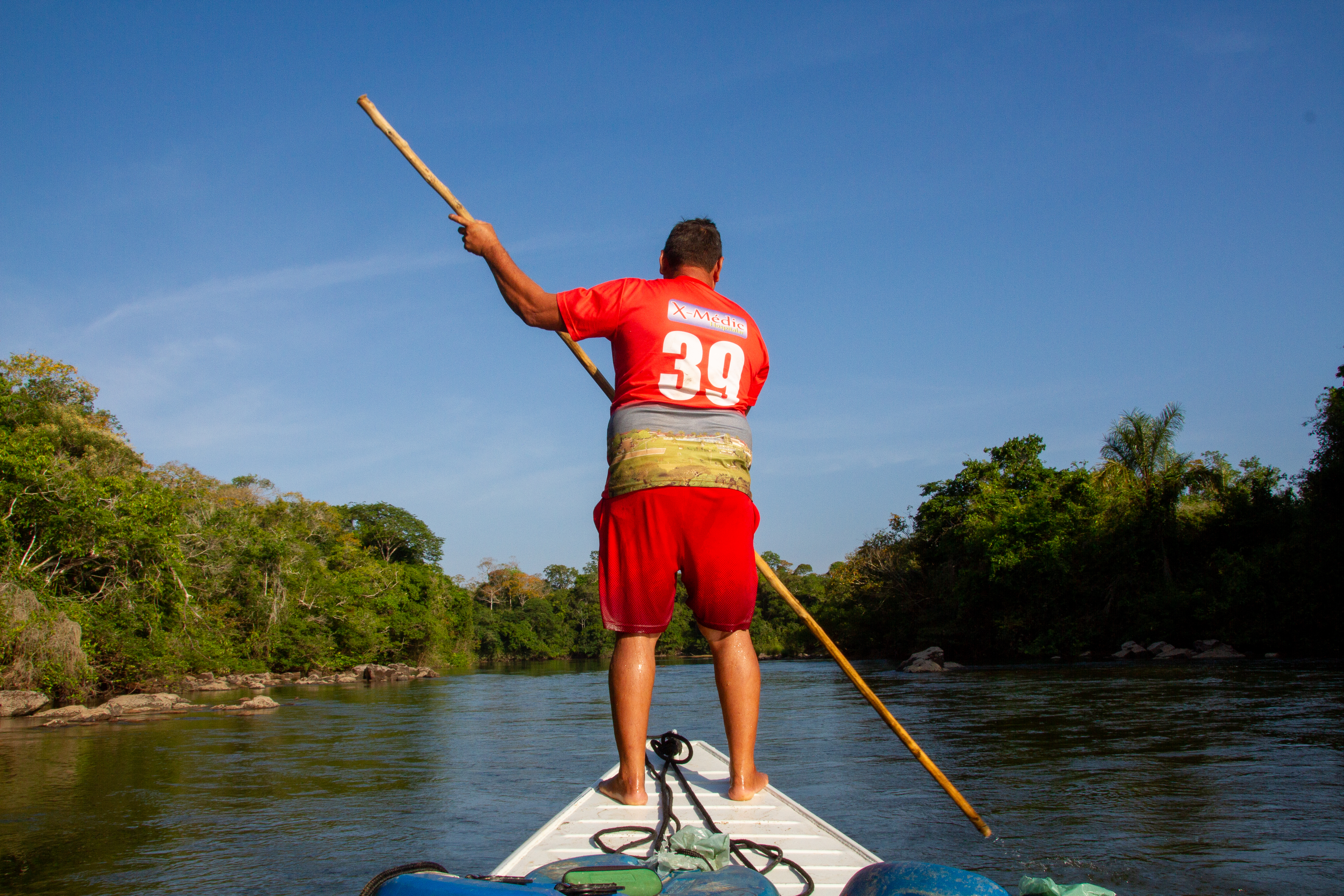
“Vaccine! Let’s vaccinate everyone!” Shouts go up from the steep and muddy banks of the Iriri River in the heart of the Brazilian Amazon forest. A team of doctors, nurses, and nongovernmental organization (NGO) workers are hauling plastic foam boxes from a small aluminum motorboat. Dozens of residents of this village, Boa Esperança, gather on the balcony of a wooden house to avoid the scorching Sun and await their COVID-19 vaccines.
Medical teams are a rare sight here. This crew has traveled 9 hours in pickup trucks along bumpy roads from the closest city of Altamira, then sailed a few more hours. They are at the start of a 17-day river trip to give shots at settlements in preserved areas of the world’s biggest tropical forest.
Most residents here are riverine people (ribeirinhos in Portuguese)—riverside dwellers who have lived in the Amazon for centuries, relying on artisanal fishing and harvesting. The Brazilian government views them as a traditional group—a category that also includes Indigenous tribes and descendants of runaway enslaved Africans, known as quilombolas. These groups were given priority status to receive the COVID-19 vaccine in a national plan released in December 2020, following pressure from human rights activists and local leaders. Many Indigenous groups, which receive care from a special federally funded health department, have been vaccinated. But riverine peoples depend on local municipalities, which are mostly too poor to do much, for their health care. As a result, whereas city dwellers in Brazil are already getting boosters, many people living on remote riverbanks still wait in isolation for their first or second shots.
“It is a population very difficult to reach that has suffered from neglect from the state for centuries,” says the doctor in charge of the expedition, Erika Pellegrino of the Federal University of Pará, Altamira. The municipal health department of Altamira supplied the COVID-19 shots—two-dose AstraZeneca and single-dose Janssen vaccines—that the team is delivering along with various childhood vaccines. But NGOs, including the local Socio-environmental Institute and the U.S.-based group Health in Harmony, organized and funded the expedition itself, which cost nearly $20,000. Grassroots associations helped with the infrastructure, converting houses into improvised vaccination centers.
Read the full story on Science’s website
 Sofia Moutinho