Local communities protect the rainforest but lack adequate healthcare
_NATURE
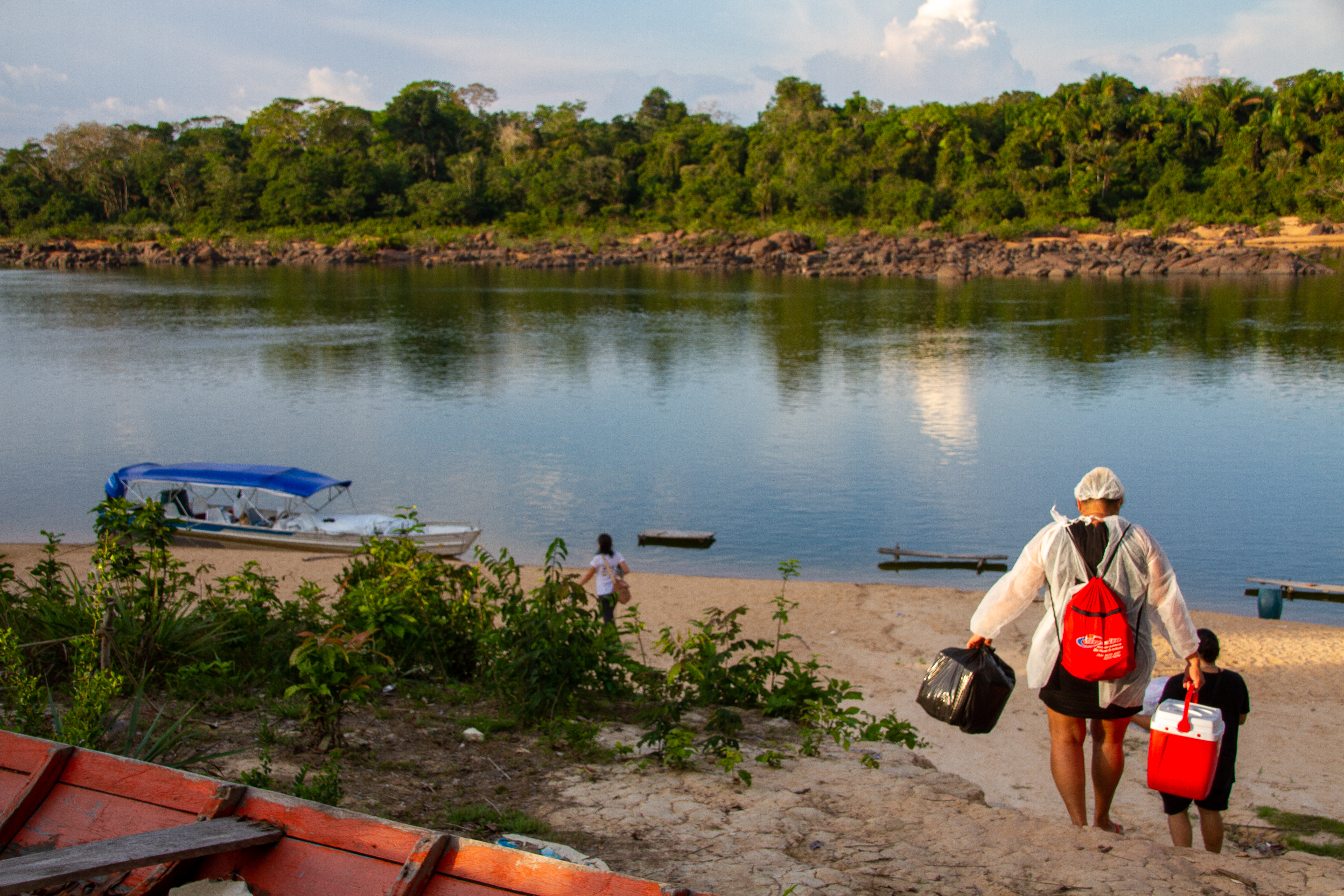
It is 10 PM on a refreshing night, following a scorching September day in the heart of the Brazilian Amazon forest. The chant of howler monkeys is baffled by the sound of music, which the villagers of São Francisco are dancing to. São Francisco is part of the Rio Iriri Extractive Reserve, a federally protected land in the Xingu River basin, and the villagers are celebrating the end of an expedition that brought them COVID-19 vaccines, blood exams, and medical checkups. The crew is a group of researchers from a local university, nurses from the municipality, and doctors hired by a US non-governmental organization (NGO). They chat near the hammocks where they will sleep.
For almost a month, they traveled in two small boats filled with medical supplies, stopping in more than 30 communities in a region called ‘Terra do Meio’ (which roughly translates as ‘midlands’), a mosaic of conservation areas as big as Iceland, where about 5,000 Indigenous and other culturally diverse populations live, including ‘ribeirinhos’ (riverside people) and ‘quilombolas’, residents of quilombo settlements, which were first established by escaped slaves of African origin from the seventeenth century onward.
The expedition crew is planning their long return trip to the closest city of Altamira when a villager from a neighboring community calls the doctor in charge. The villager’s face is serious, and his voice is distressed. “We are at least four hours away on a boat from any health center, and the centers are frequently empty,” he tells the doctor. His 2-year-old twin granddaughters had just been sick and were treated by the expedition doctors, but he worries for the health of the community once the crew is gone.
Although access to healthcare is safeguarded as a free and universal right in the Brazilian constitution, families living in the Terra do Meio do not have any local doctors. There are only five nurse technicians for the whole conservation area, placed in simple health centers, who rely on boat rides from local people to reach patients in need. The closest hospital is hundreds of kilometers away in the city of Altamira. September is the dry season, when the volume of water in the river is low, exposing rocks and logs on the bottom that make it more difficult to sail. In these conditions, a journey to the hospital can take up to 5 days in a motorboat, followed by a 9-hour drive on a dirt road — precious time in the face of an emergency. “People are often bitten by scorpions and snakes here, and in these cases, we have no time to lose,” the villager says.
Read the full story on Nature Medicine’s website
 Sofia Moutinho