Scientists, ethicists, and officials worry the OpenAI-sponsored contest sidesteps archaeological norms
_SCIENCE
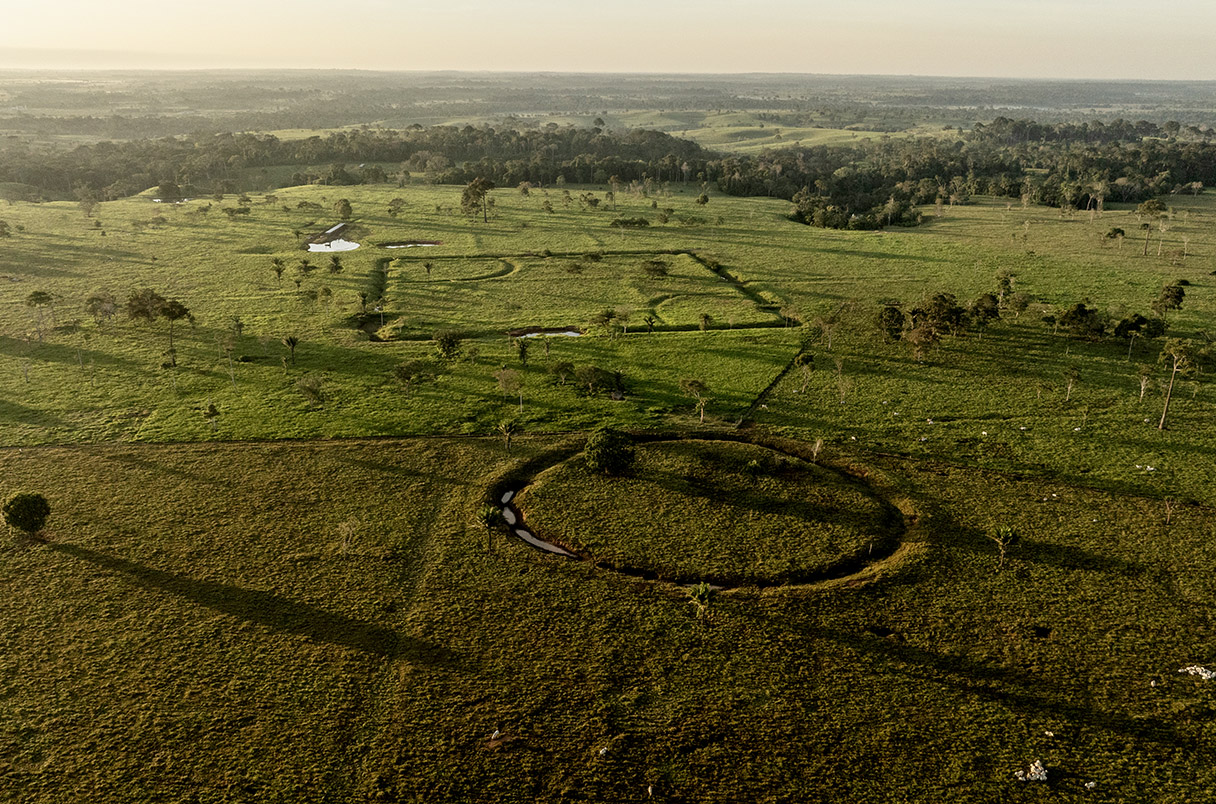
“Now, for the first time in history, anyone can conduct archaeological research.” So reads the pitch for a community science project sponsored by artificial intelligence giant OpenAI encouraging the public to use AI tools to scrutinize existing data from the Amazon rainforest for traces of lost ancient cities. The OpenAI to Z Challenge has mobilized tech-savvy researchers worldwide, but has also faced criticism from archaeologists, Indigenous communities, and tech ethicists who argue it ignores important research norms, including consultation with the more than 300 Indigenous groups who live in the rainforest. Last week, the Brazilian government demanded OpenAI address the concerns.
“It is irresponsible,” says University of Florida archaeologist Michael Heckenberger, who spent the past 3 decades identifying ancient Indigenous settlements by mapping archaeological features in the Amazon in partnership with the Kuikuro people. He explains that many international conventions and ethics codes say research in Indigenous territories or on Indigenous heritage requires free and informed consent from Indigenous people. “There should be a formal way of consultation, particularly with Indigenous people who have historically been denied their basic sovereignty rights.” (OpenAI did not respond to requests for comment.)
The contest offers an award of up to $250,000 in cash and credits for OpenAI’s products to people who find previously unknown sites by using the company’s AI tools to analyze publicly accessible data, such as satellite and laser imagery and archaeological surveys. Aside from ethical concerns, its name also raised eyebrows by evoking a quest from the imperialist past: the search for an imaginary “lost city of Z” by British explorer Percy Fawcett in the early 20th century in the Brazilian Amazon.
The contest launched on 15 May and last month, the Society for Brazilian Archeology (SAB) aired its worries in a letter to the Ministry of Indigenous Peoples and the National Historic and Artistic Heritage Institute, the federal agency overseeing archaeological research in the country. The document notes that legally, archaeological research in Brazil is supposed to be done by researchers with specific training and field experience. “OpenAI’s proposal overrides the state’s prerogative to have any control over archaeological heritage,” says SAB’s vice president, Bruna Rocha, an archaeologist at the Federal University of Western Pará.
Under the 1989 Indigenous and Tribal Peoples Convention, which Brazil ratified, Indigenous communities must be consulted and involved in decisions about their heritage and lands. Although the treaty does not specifically mention the use of remote sensing data and AI, which were not widely available when the document was written, Rocha believes the need for consultation still applies.
The letter prompted Brazil’s Indigenous ministry to demand on 1 July that no data, findings, or site coordinates resulting from the competition be published until OpenAI provides more details on the goals, methodology, and legal basis of the challenge. OpenAI declined to comment on the project and has not released any details about participation.
Daniel Kuikuro, president of the Kuikuro Indigenous Association of the Upper Xingu, says he fears data generated by the contest could lead to vandalism of Indigenous sites from groups opposed to Indigenous land rights. University of Virginia technology ethicist Lori Regattieri adds that under the challenge rules, all data submitted by contestants and their computer models become the property of OpenAI. She suggests the company is selling the challenge as an archaeology research project when its real goal may be to enlist free labor to test AI geospatial models. “It is an open laboratory for model testing,” she says.
 Sofia Moutinho